From Response to Resilience
Cybersecurity has been a game of reaction — patching vulnerabilities, responding to breaches, and adapting defenses after an attack occurs…
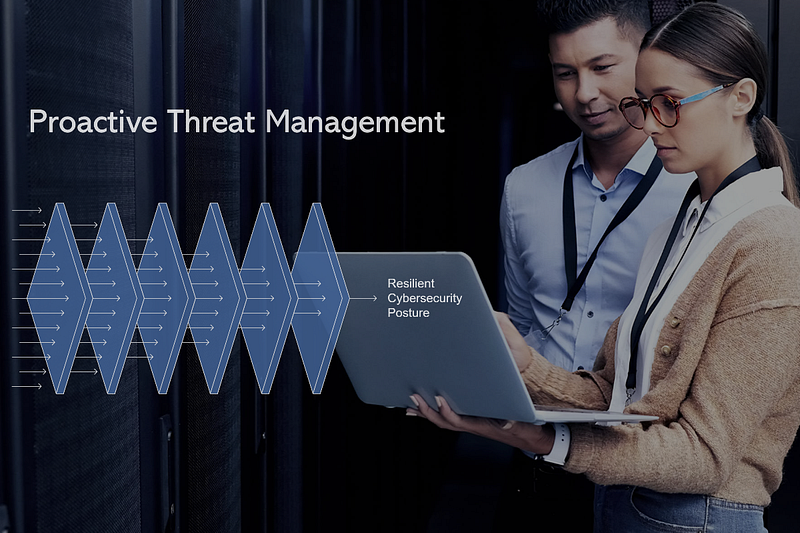
Cybersecurity has been a game of reaction — patching vulnerabilities, responding to breaches, and adapting defenses after an attack occurs. This approach worked when adversaries relied on predictable tactics, but self-learning malware like Chimera has changed the rules. We need to definitively redefine cybersecurity as a proactive strategy.
A New Era of Cyber Threats
Chimera represents a fundamental shift in cyber adversaries. It isn’t a static malware strain — it learns, evolves, and mimics legitimate behavior, making traditional defense methods ineffective. It infiltrates systems through phishing and compromised software updates, quickly establishing persistence and moving laterally across networks.
What Makes it so Dangerous?
AI-Driven Evasion It rewrites its own code dynamically to evade detection.
Zero-Day Exploitation Leverages vulnerabilities like the Windows Print Spooler exploit for remote code execution.
Credential Harvesting Uses password spraying and credential stuffing to compromise accounts.
Data Theft Targets network shares, SharePoint repositories, and email systems.
The Cost of Inaction
Cybersecurity is not just a technical issue — it’s a business imperative. The risks posed by threats like Chimera are more than theoretical; they are already disrupting businesses.
Consider the case of a small e-commerce company that fell victim to Chimera’s self-learning attack cycle. Within 12 hours, the organization was completely compromised:
➟ Account Lockouts Employees were shut out of critical systems, paralyzing operations.
➟ Website Shutdown The company’s entire online infrastructure was disabled.
➟ Ransom Demand Attackers demanded $250,000 in cryptocurrency to restore access.
Why Proactive Security Is a Business Imperative
Organizations can no longer afford to wait for an attack to occur before responding. A reactive approach is not just costly — it’s existentially risky. Chimera has already compromised businesses, forcing ransom demands and operational shutdowns. The financial and reputational damage from an AI-driven cyber-attack can cripple organizations permanently.
A proactive cybersecurity approach ensures resilience, business continuity, and maintains trust in digital ecosystems. Here’s how businesses can advance their security strategy:
AI-Powered Threat Detection — Traditional tools fail against self-learning threats. AI-driven security solutions like CrowdStrike Falcon or SentinelOne Singularity detect behavioral anomalies before an attack unfolds.
Zero Trust Architecture — Organizations must assume that no user or system is inherently trustworthy. MFA, least privilege access, and micro-segmentation prevent lateral movement.
Continuous Threat Simulation — One-off penetration tests are outdated leaders must demand real-time red teaming and constant security validation.
Threat Intelligence Integration — Cyber teams should actively track emerging attack techniques through frameworks such as MITRE ATT&CK, allowing them to predict threats before they materialize.
Security by Design — Chimera thrives in weak software supply chains — security must be embedded at every stage of development, not added as an afterthought.
Redefining the Narrative
Business leaders and security professionals must champion cyber resilience. The mindset of “waiting for the breach” is obsolete — today’s security strategy must focus on predicting, preempting, and neutralizing threats before they cause damage.
Security isn’t just an IT problem — it’s a business necessity. Leaders who fail to evolve will find their organizations vulnerable to disruption, financial loss, and reputational damage.
From Response to Resilience | LinkedIn
<style>.libutton { display: flex; flex-direction: column; justify-content: center; padding: 7px; text-align: center; outline: none; text-decoration: none !important; color: #ffffff !important; width: 200px; height: 32px; border-radius: 16px; background-color: #0A66C2; font-family: “SF Pro Text”, Helvetica, sans-serif; } </style>
<a class=”libutton” href=”http://www.linkedin.com/comm/mynetwork/discovery-see-all?usecase=PEOPLE_FOLLOWS&followMember=hantzj” target=”_black”>Follow link</a>